
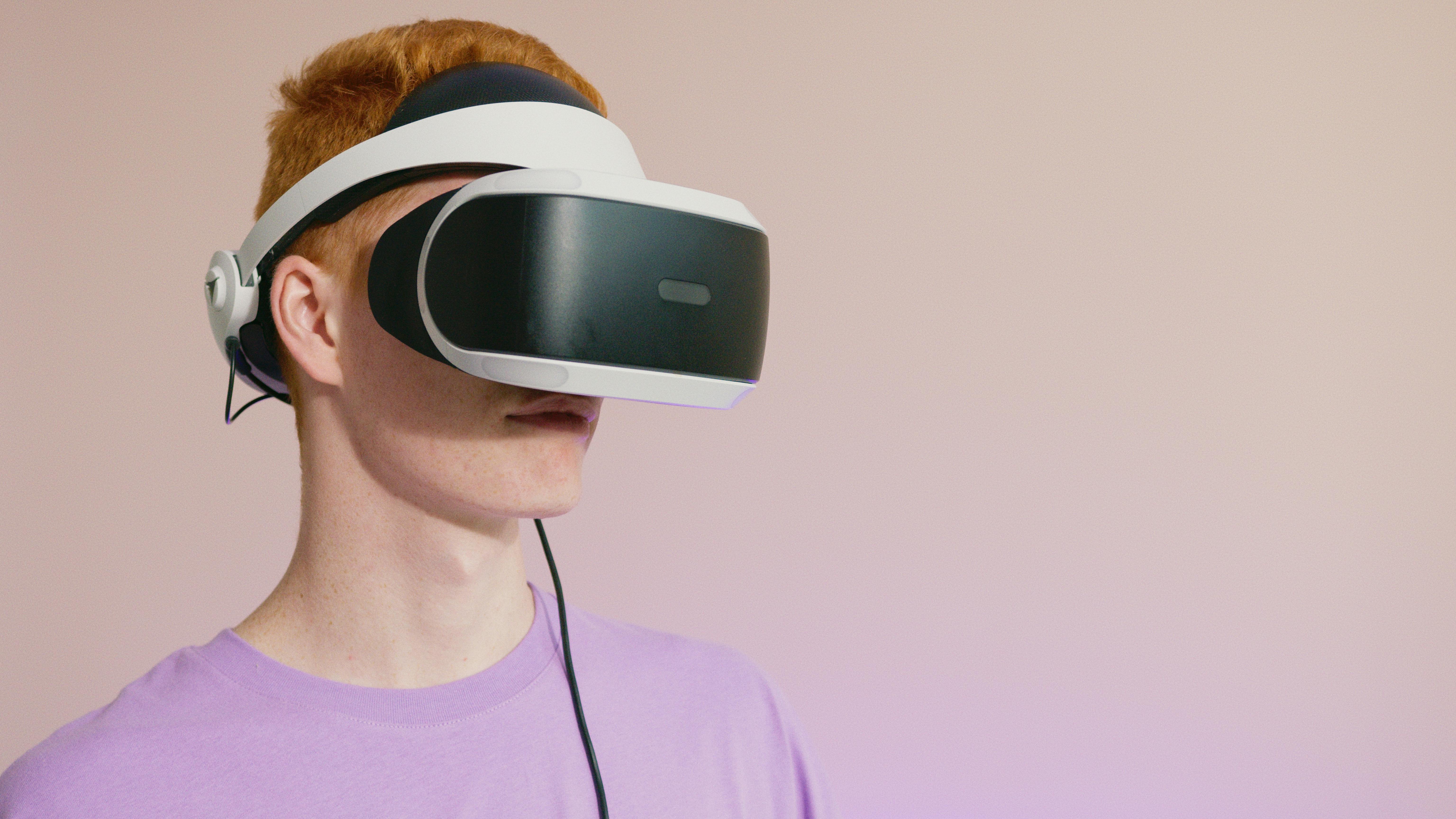
From Numbers to Instinct: How Genie-3 Teaches AI Human-Like Intuition
As we continue to push the boundaries of artificial intelligence, the race isn’t only about speed and computational power. There’s a significantly deeper frontier: teaching AI to possess an intuition akin to that of humans and animals. Google DeepMind’s Genie-3 is at the forefront of this endeavor, bridging the gap between algorithmic rigidity and organic instinct. In this blog post, we will explore how Genie-3 enables AI to move beyond pure calculation towards embodied intuition.
Understanding Human and Animal Intuition
Humans and animals often demonstrate an innate understanding of their environment that is not reliant on explicit calculations. For example, have you ever noticed how a child knows to jump over a puddle or how a dog instinctively avoids a wall when navigating through a space? It’s a form of embodied cognition: the ability to comprehend our surroundings based on sensory experiences rather than abstract math.
- Distance Judgment: Humans can gauge how far they are from an object, like a tree or a goal post, without measuring it directly.
- Risk Assessment: Animals can assess potential threats from predators, adjusting their behaviors accordingly without needing calculus.
- Spatial Awareness: From navigating through crowded spaces to estimating the size of gaps, this instinctive understanding plays a role in survival.
Genie-3: Simulated Worlds for Experiential Learning
Genie-3 leverages simulated environments, allowing AI to experience scenarios much like living organisms do. It provides virtual contexts where AI agents can explore, experiment, and learn through interactions rather than through traditional programming methods.
Through this process, Genie-3 takes advantage of reinforcement learning. This approach is similar to how dogs learn tricks or children learn social interactions. The AI may make mistakes, but it receives feedback, allowing it to refine its actions based on real outcomes.
How Does This Work?
Genie-3 creates multiple scenarios where AI can practice skills:
- Virtual Obstacles: AI agents navigate challenges that mimic real-world physics and relationships.
- Interactive Feedback: Mistakes are part of the learning curve, and the system encourages trial and error in a safe environment.
- Adaptive Learning: Over time, Genie-3 builds a repository of experiences, allowing AI to make quicker and more intuitive decisions.
Real-World Applications: Robotics, VR, and Gaming
The implications of Genie-3’s approach extend across multiple domains:
- Robotics: Robots can operate more efficiently in dynamic environments, such as search-and-rescue missions or elder care, by understanding spatial dynamics rather than solely relying on sensor data.
- Virtual Reality: Human players in VR environments can have more organic interactions, making experiences feel more realistic as the AI responds to their actions with a human-like understanding.
- Gaming: AI-driven characters can exhibit more lifelike behaviors, creating a richer gaming experience where NPCs (non-playable characters) can adapt to player actions in a more intuitive manner.
Why This Matters for Building Human-Like AI
The world we live in is complex and dynamic. By enabling AIs like Genie-3 to embrace intuition, we create systems that can understand and interact with their environments in a meaningful way. This paradigm shift is vital for:
- Safety: Intuitive AI can make more informed decisions, especially in areas like autonomous vehicles and public safety systems.
- Engagement: More relatable AI enhances user experience, eliminating frustrating interactions and fostering deeper connections.
- Adaptability: In a rapidly changing world, intuition allows AI to adjust to unforeseen challenges cohesively.
As we learn from Genie-3’s innovations, the development of AI capable of embodying instinct isn’t just about increasing efficiency—it’s about redefining our relationship with machines. By teaching AI to ‘just know’ in a manner reminiscent of how we navigate life, we inch closer to a future where artificial beings can coexist with humans in a more intuitive, symbiotic relationship.
In conclusion, Genie-3 represents a pivotal step towards creating AI that mirrors human cognitive experiences. Moving beyond raw computation to embrace an instinct-driven approach will not only revolutionize technology but also enrich our lives in unimagined ways.
For recommended tools, see Recommended tool
Disclosure: We earn commissions if you purchase through our links. We only recommend tools tested in our AI workflows.
0 Comments