
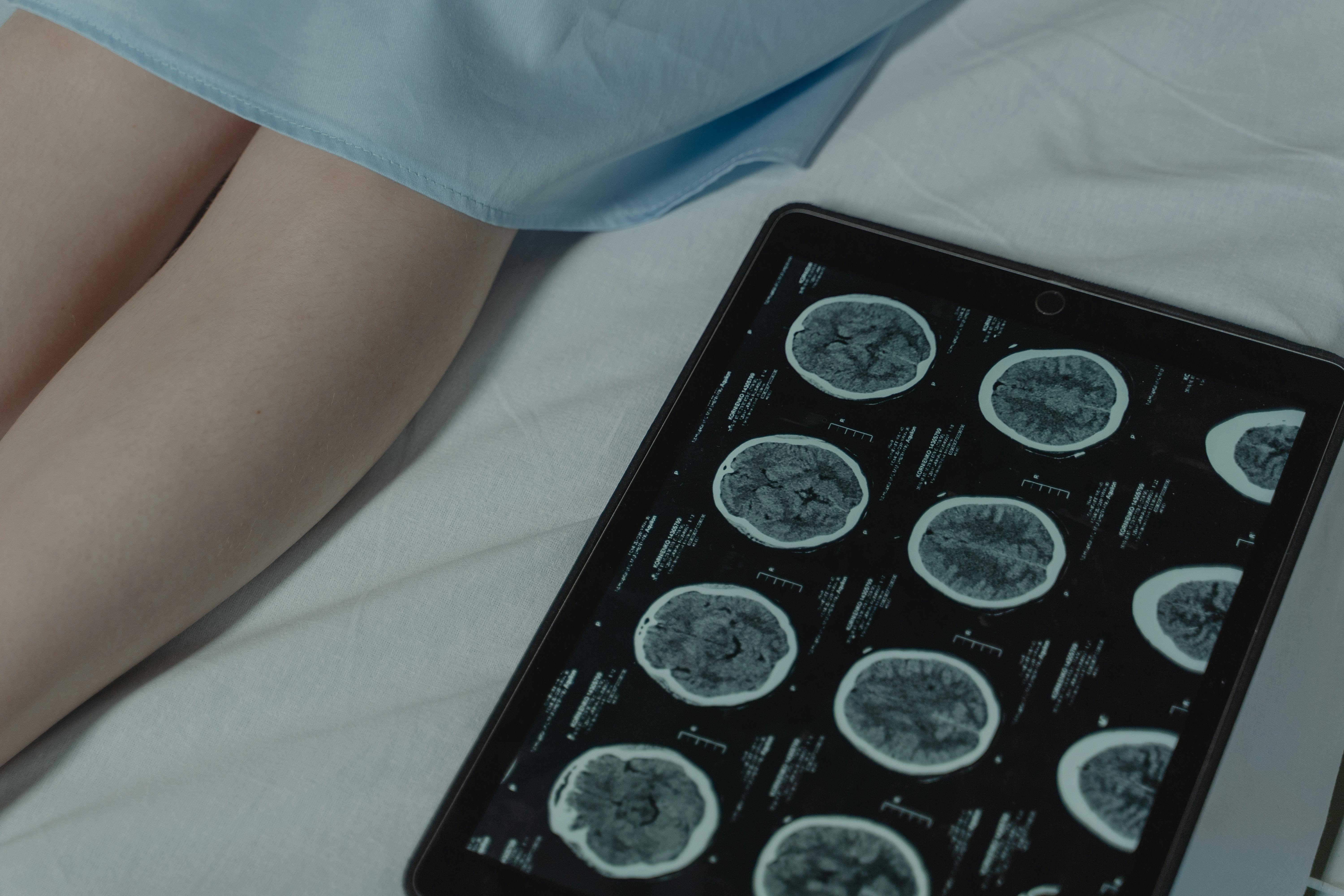
The New Calculator Effect: How AI Is Reshaping Human Cognition
As artificial intelligence (AI) continues to evolve, we find ourselves standing at the brink of a cognitive revolution. The term “calculator effect” used to describe how calculators transformed the way we perform mathematical calculations is now applicable to AI, reshaping how we think, remember, reason, and make decisions.
The Historical Context of Technological Influence on Thinking
Technological advancements have always influenced human cognition. From the introduction of calculators through the advent of GPS and search engines, each technological jump has changed our interaction with information and shaped our cognitive patterns.
The Calculator Era
In the late 20th century, calculators emerged as tools that took over basic arithmetic tasks. Students no longer needed to memorize multiplication tables or perform long division. Instead, they relied on these devices for quick solutions, leading to a significant decrease in computational skills among younger generations.
The Rise of GPS
Similarly, GPS technology altered the way we navigate. With Maps and written directions taking a backseat, reliance on GPS diminished our innate sense of direction and memory of routes. While once people memorized landmarks and pathways, GPS became a crutch, steering our cognitive maps away from personal engagement.
The Search Engine Revolution
The advent of search engines like Google created a new paradigm in information retrieval. The ability to access vast libraries of information with a simple query has transformed how we learn and process knowledge. However, this ease of access has led to reliance on digital platforms, potentially diminishing critical thinking and deep understanding.
Introducing AI as the New Calculator
Today, AI represents the next stage in this evolution. No longer confined to simple calculations, AI applications are capable of advanced reasoning, natural language understanding, and decision-making support. This shift raises questions about what aspects of human cognition might be at risk.
The Impacts on Memory
With AI systems like virtual assistants and smart devices handling tasks such as reminders, scheduling, and information retrieval, there is a declining need to store facts and figures in our minds. Some researchers argue that as our reliance on AI grows, so too does the threat to our memory retention. Consider how often people now Google facts instead of recalling them from memory.
Changes in Reasoning Skills
When AI takes over tasks that require logical thinking and reasoning, we risk losing the practice of these skills. For example, individuals might rely on AI for evaluating arguments or making decisions rather than developing their own reasoning processes. This reliance can lessen our ability to engage in complex problem-solving that does not involve automated assistance.
The Evolution of Writing and Communication
AI tools revolutionize how we write and communicate. Programs that assist with grammar corrections, style suggestions, and even content generation can produce polished work with minimal effort. While these tools enhance productivity, they may also diminish our writing skills and critical thinking. We may become so accustomed to AI-generated prompts that our unique voices and styles become diluted.
What Are We Losing in the Process?
As AI robustly takes its place in our daily cognitive functions, it prompts reflection on what might be lost in this process. Tools that provide quick access to information and automate cognitive tasks can lead to:
- Complacency in Learning: With instant answers at our fingertips, the motivation to learn through exploration and inquiry might wane.
- Decreased Problem-Solving Skills: Relying on AI for complex problem-solving can hinder our ability to approach and tackle challenges independently.
- Shifts in Collaboration: As AI tools mediate interactions, genuine human collaboration may be overshadowed by algorithm-driven suggestions.
Future Considerations and Human-AI Collaboration
While the implications of the new calculator effect are profound, it’s essential to acknowledge that AI has the potential to complement human cognition rather than entirely replace it. The key lies in finding a balance that allows us to leverage AI’s capabilities while nurturing our cognitive skills.
Embracing AI as an Assistant
Rather than viewing AI purely as a replacement for human intelligence, we should consider it an enhancement tool. By recognizing its value in assisting decision-making and information processing, we can retain critical thinking and creative skills while benefiting from AI efficiency.
Encouraging Cognitive Engagement
Educators and parents should emphasize critical thinking and problem-solving skills that cannot be merely automated. Applying techniques that foster deeper understanding, creativity, and independent reasoning will help prepare future generations to adapt to a world dominated by AI without sacrificing their cognitive capacities.
Conclusion
As we navigate the challenges and opportunities presented by AI, it’s essential to reflect on the new calculator effect it represents. While AI can revolutionize the way we think and process information, it’s our responsibility to ensure that we continue to cultivate the human aspects of cognition that define us. By striking a balance between leveraging advanced technologies and engaging our critical thinking skills, we can shape a future where both AI and human intelligence thrive.
For recommended tools, see Recommended tool
Disclosure: We earn commissions if you purchase through our links. We only recommend tools tested in our AI workflows.
0 Comments